Design Engineer
Shown are the most notable roles and responsibilities as my time as a Design Engineer.
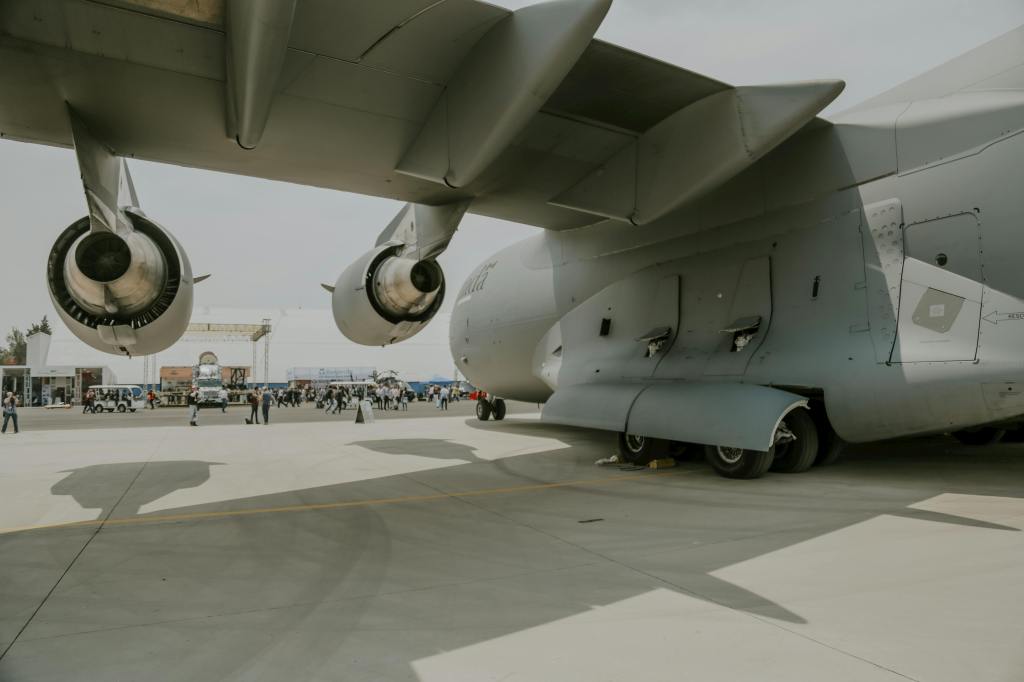
Projects as a Design Engineer
I operated in a turbine hardware engineering capacity focused on the analysis and support of critical aerospace components operating in demanding thermal and mechanical environments. My work involved direct engagement with turbine engine hardware, where I evaluated components such as blades, vanes, and structural interfaces to assess design integrity, serviceability, and compliance with performance and durability requirements. I was routinely tasked with conducting engineering assessments under tight timelines, often supporting in-service hardware decisions that required a balance of analytical rigor, practical engineering judgment, and program urgency.
My responsibilities extended beyond pure analysis into manufacturability and tooling considerations, where I collaborated with manufacturing and quality teams to evaluate production readiness, casting and machining constraints, and inspection feasibility. This included contributing to tooling design decisions and assessing how process variables could influence final part quality and repeatability. In parallel, I supported nonconformance and discrepancy evaluations by reviewing inspection results, identifying potential root causes, and helping determine appropriate technical dispositions that maintained safety and reliability while minimizing operational impact.
Across all assignments, I produced clear technical documentation and communicated findings to senior engineers and program stakeholders, ensuring that analysis results, risks, and recommendations were well understood and traceable. Collectively, my work strengthened my foundation in propulsion hardware engineering, lifecycle support, and cross-functional collaboration within regulated aerospace environments.

Experimental Gas Path Component Design
My time was additionally spent on prototype projects which were meant to develop components which would off a performance improvement over existing hardware. These projects would require a modification of a known component or assembly within an already understood environment in the modification of materials, features, tolerances, or the combination of these in order to produce a notable performance improvement of the systems in which these components operate.
The development of these prototypes would additionally require the design, to a degree, of interfacing components and assemblies to ensure certain module performance characteristics are maintained. This ensures that the potential of the experimentally developed components are not over-constrained by the need to fit all other existing components, allowing for the redesign of a degree of known interfacing components allows for the targeting of known beneficial attributes in the experimental assembly. The redesign of these systems requires analysis by supporting disciplines such as structures, thermal, and heat transfer teams. The feedback from these teams would then require that design take into account the feedback from these teams to further hone the design to balance all performance characteristics of the system.
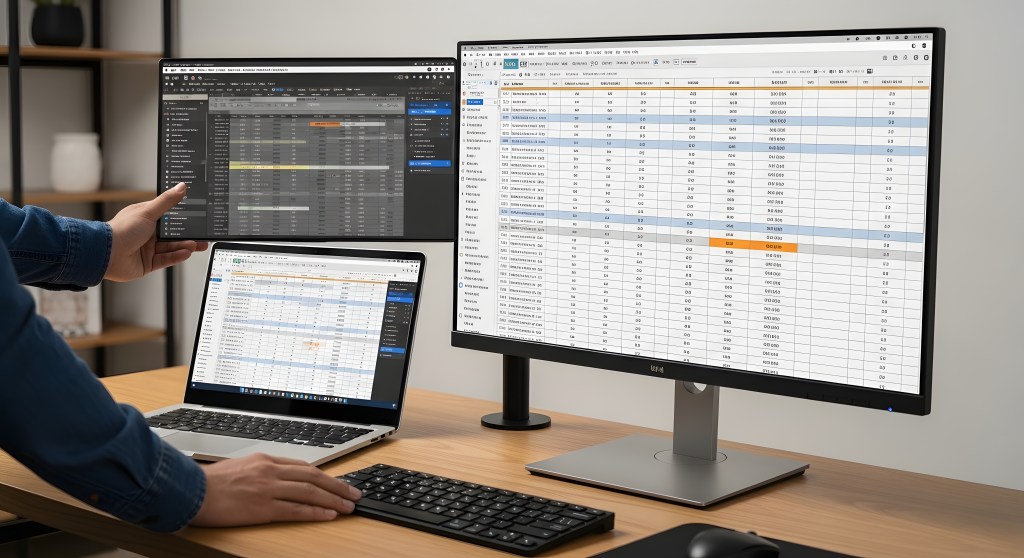
Process Automation
In this role, I expanded the effective capabilities of the team by developing automation and process improvements that reduced manual effort, increased consistency, and allowed engineering resources to be applied more efficiently to higher-value technical work. I identified recurring tasks that were time-intensive, error-prone, or dependent on individual institutional knowledge and focused on converting those activities into repeatable, documented, and automated workflows.
A significant portion of this effort involved developing engineering automation tools to support analysis, documentation, and data handling. I created scripts and lightweight applications to automate repetitive calculations, normalize inspection and measurement data, and generate standardized engineering outputs that previously required manual manipulation. By embedding design assumptions, tolerance logic, and verification criteria directly into these tools, I ensured that analyses were executed consistently regardless of the user, reducing variability in results and improving confidence in technical decisions. These automations shortened turnaround time for engineering evaluations and allowed the team to respond more quickly to manufacturing, quality, and customer inquiries.
In parallel, I improved engineering and quality processes by formalizing workflows that had previously relied on informal practices. I documented analysis methodologies, standard input requirements, and decision criteria so that complex evaluations could be executed predictably and reviewed efficiently. This included refining handoff points between engineering, manufacturing, and quality functions to reduce rework and eliminate ambiguity in responsibilities. Where possible, I aligned these processes with existing quality systems and regulatory expectations to ensure that efficiency gains did not compromise compliance or traceability.
I also focused on scaling these improvements beyond my own workload by training other engineers and stakeholders on the tools and processes I developed. By providing clear documentation and practical guidance, I enabled team members to independently execute analyses and generate outputs that met established technical standards. This approach effectively increased the team’s analytical capacity without adding headcount, improved knowledge retention within the organization, and reduced dependency on individual contributors for routine engineering tasks. Collectively, these automation and process improvements transformed how work was executed, allowing the team to deliver faster, more consistent, and more defensible engineering results under demanding schedules.
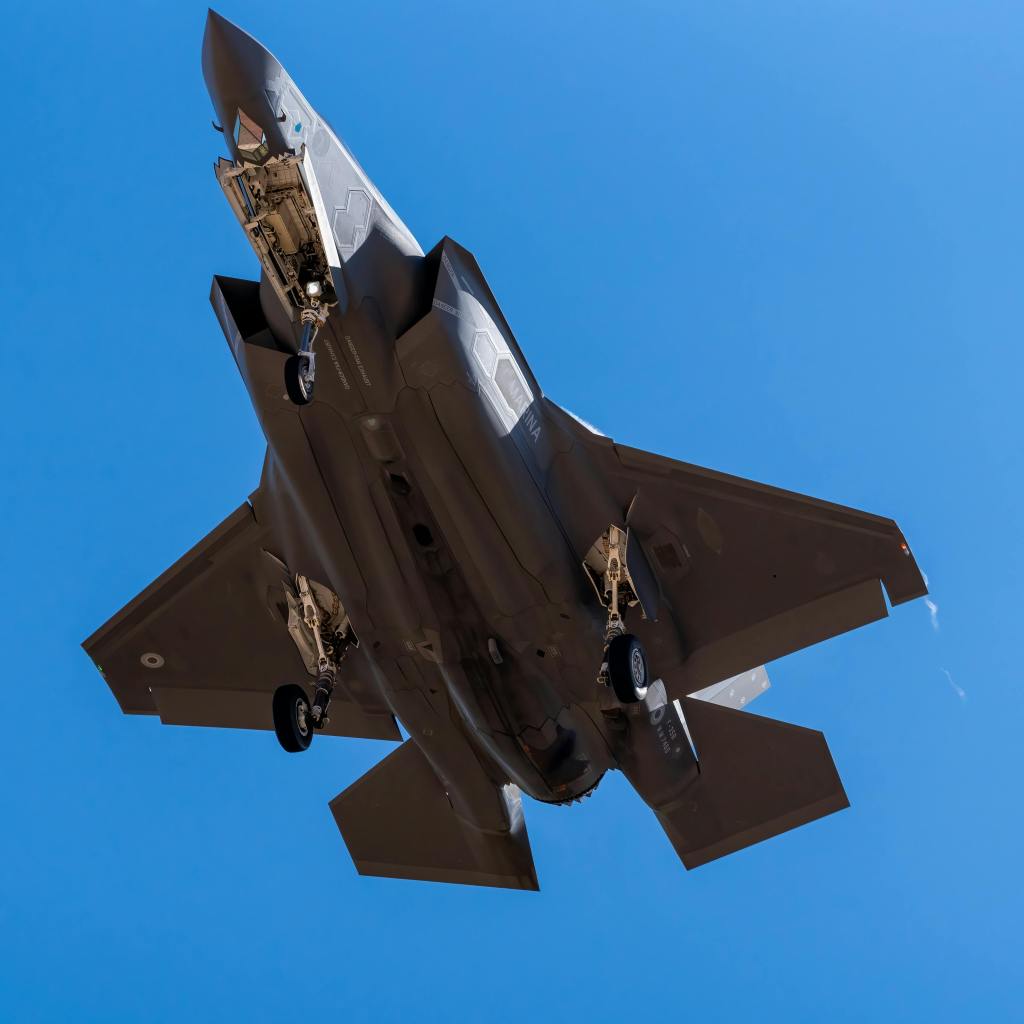
MRB Evaluation of Powerplant Parts
During my time I was responsible for providing Material Review Board (MRB) substantiation for aerospace components involved a disciplined engineering evaluation process intended to determine whether nonconforming hardware could be safely and compliantly dispositioned while preserving design intent, functional performance, and regulatory requirements. When discrepancies were identified through inspection or manufacturing feedback, I assessed the deviation in the context of the original design definition, applicable specifications, and downstream functional interfaces to establish whether the condition affected fit, form, function, strength, or durability.
Design analysis formed the foundation of this substantiation process. I reviewed the affected features relative to drawing requirements, datum schemes, and interface conditions to determine whether the nonconformance encroached on critical functional relationships. This frequently required evaluating how the discrepant feature interacted with mating hardware, seals, fasteners, or load paths, and whether sufficient margin existed within the original design intent. Where necessary, I examined historical design rationale, comparable configurations, or prior approvals to support equivalency arguments, ensuring that any deviation remained bounded by the assumptions used during original design development.
Tolerance stack-up analysis was a key component of MRB justification, particularly when dimensional nonconformances affected interfaces or assemblies. I evaluated worst-case and statistical stack conditions to determine whether accumulated variation could compromise assembly fit, alignment, or performance. This analysis often involved reassessing datum references, identifying which tolerances were truly functionally limiting, and demonstrating that the nonconforming condition did not drive the assembly beyond allowable limits when considered in the full tolerance chain. By grounding MRB decisions in quantitative stack-up analysis rather than nominal comparisons, I ensured that dispositions were technically defensible and repeatable.
For cases involving structural or load-bearing features, stress analysis supported MRB substantiation by demonstrating continued compliance with strength, fatigue, and cycle life requirements. I assessed how dimensional deviations, material conditions, or surface irregularities influenced stress concentrations, load distribution, or safety margins. Where appropriate, simplified analytical calculations or comparison to baseline stress cases were used to show that the nonconforming condition remained within allowable stress limits under expected operating loads. This approach ensured that MRB approvals were not based solely on dimensional acceptance but were explicitly tied to structural integrity and lifecycle considerations.
Process knowledge and automation played an important supporting role in MRB execution and documentation. I leveraged engineering automation tools, including scripted calculations and data processing workflows, to accelerate tolerance evaluations, normalize inspection data, and reduce manual error in recurring analyses. These process improvements improved consistency across MRB packages, shortened response time to manufacturing and quality teams, and enhanced traceability by ensuring that assumptions, inputs, and outputs were clearly documented and reproducible. By integrating design analysis, tolerance stack-ups, stress evaluation, and automated engineering workflows, I delivered MRB substantiation that balanced technical rigor, production efficiency, and regulatory accountability within an aerospace manufacturing environment.
 Adam's Project Timeline